Supporting Guinea Pig Awareness Week 2026: Helping Guinea Pigs Live Happy, Healthy Lives
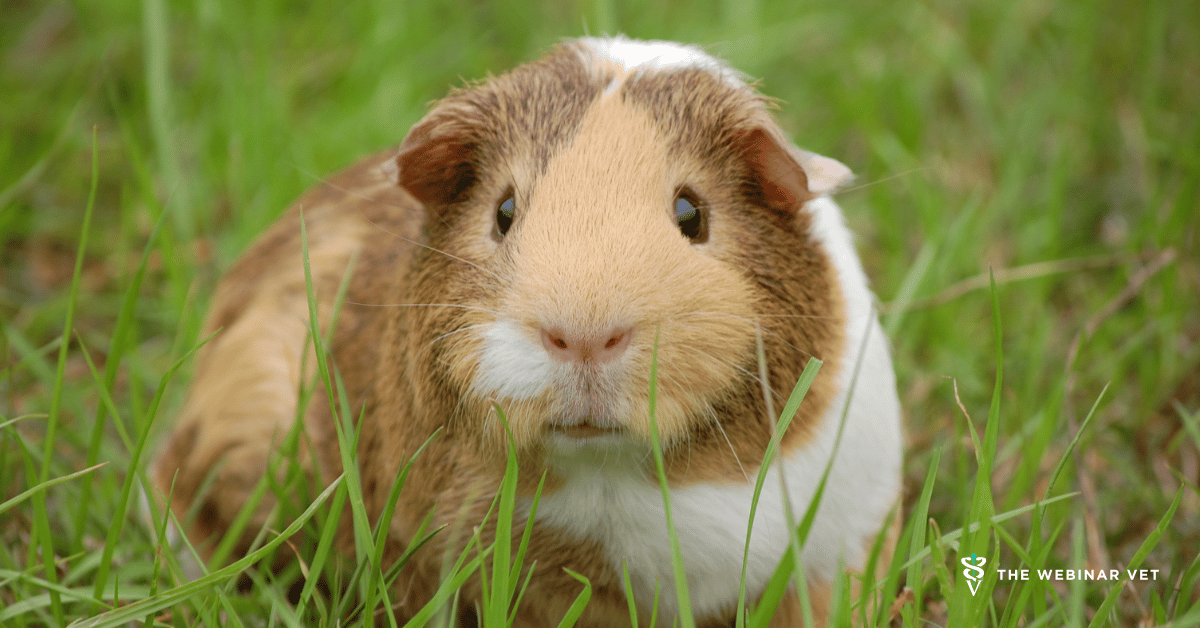
Guinea Pig Awareness Week (GPAW) is underway from 26th to 30th October 2026, and we're proud to support a campaign dedicated to improving the health, happiness and wellbeing of guinea pigs.
This year's theme, Happy, Healthy Guinea Pigs, highlights the importance of proactive healthcare and understanding the essential needs of these much-loved small pets. From providing the right diet and environment to recognising behavioural changes and arranging regular health checks, the campaign aims to help owners give their guinea pigs the best possible quality of life.
At The Webinar Vet, we're passionate about supporting veterinary professionals in delivering the highest standards of animal care. Raising awareness of the needs of small animals, including guinea pigs, is an important part of this. Guinea pigs may be small, but their care requirements are anything but, and helping owners understand these needs can make a significant difference to their long-term health and welfare.
Why is Guinea Pig Awareness Week important?
Guinea pigs are popular family pets, known for their gentle nature and distinctive personalities. However, there is a common misconception that they are easy pets to care for simply because of their size.
In reality, guinea pigs have specific dietary, environmental, social and healthcare needs that must be met to keep them healthy and comfortable. Without the right knowledge, owners may unintentionally overlook important aspects of their welfare.
First launched in 2021, Guinea Pig Awareness Week was created to give current and prospective owners accessible, practical advice to help them better understand their pets. Each year, the campaign explores different aspects of guinea pig care, encouraging owners to make informed decisions and recognise the important role they play in their pets' wellbeing.
GPAW is endorsed by the British Veterinary Association (BVA) and the British Small Animal Veterinary Association (BSAVA). The 2026 campaign is also supported by animal welfare charity partners Blue Cross, RSPCA, Wood Green Pets Charity and Raystede Centre for Animal Welfare.
Understanding the five welfare needs of guinea pigs
At the heart of Guinea Pig Awareness Week 2026 is the importance of meeting the five welfare needs of guinea pigs. Understanding these needs helps owners make informed decisions about their pets' care and create the right conditions for them to live happy, healthy lives.
1. Diet: Understanding your guinea pigs' nutritional needs
Choosing the right food for guinea pigs can sometimes feel complicated, but understanding their nutritional needs is the first step towards making the best choices.
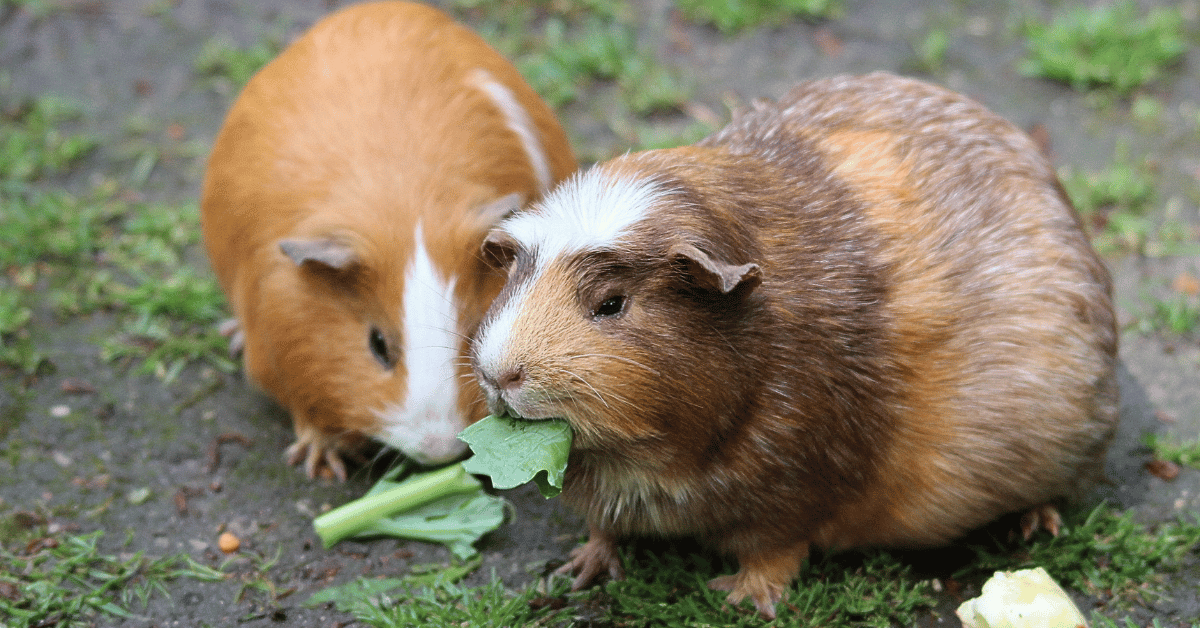
Guinea pigs are herbivores, meaning they eat a plant-based diet, and require high levels of fibre to keep their digestive systems healthy and functioning properly. Providing plenty of good-quality feeding hay is essential to ensure they receive enough fibre.
Owners should also keep a close eye on their guinea pigs' weight. If a guinea pig appears overweight, stops eating or shows a change in its usual eating habits, it's important to seek advice from a vet.
2. Health: Keeping your guinea pigs happy and healthy
A healthy guinea pig is typically alert and vocal, with bright eyes and a good coat. However, recognising the early signs of illness is essential, as guinea pigs can become seriously unwell if health concerns go unnoticed.
Prevention is always better than cure. Understanding what's normal for your guinea pigs can help you spot changes and seek veterinary advice when needed. With an average lifespan of around four to eight years, appropriate healthcare can help support their wellbeing throughout their lives.
Owners should find a vet experienced in treating guinea pigs and arrange regular health checks, including annual check-ups. Pet insurance may also help with the cost of unexpected illnesses or injuries. If there are any concerns about a guinea pig's health, seeking veterinary advice promptly is always recommended.
3. Behaviour: Understanding your guinea pigs' personalities
Although guinea pigs are small, they have big personalities! They can be gentle, lively and full of character, and learning to understand their behaviour can help owners build a positive relationship with their pets.
One particularly joyful behaviour is popcorning. This is when guinea pigs suddenly jump into the air, sometimes twisting their bodies as they do so. It is often a sign of excitement and is a lovely example of how guinea pigs express themselves.
However, their behaviour can also change when they feel frightened or stressed. As prey animals, guinea pigs are naturally alert to potential dangers and need safe places where they can retreat if they feel threatened. Providing plenty of tunnels, hiding places and sheltered areas within their housing can help them feel secure.
Recognising changes in behaviour and understanding what your guinea pigs are communicating can make a real difference to their welfare.
4. Environment: Providing a suitable home
A guinea pig's environment plays an important role in its overall welfare. Providing suitable housing means creating a safe, comfortable space where guinea pigs can move around, exercise, explore and display their natural behaviours.
Their home should offer enough space, appropriate bedding and plenty of opportunities to hide and rest. Tunnels and sheltered areas are particularly important, allowing guinea pigs to feel safe when they need somewhere to retreat.
A well-maintained environment, with suitable living conditions and opportunities for enrichment, can help support both physical health and mental wellbeing.
5. Companionship: Why guinea pigs need company
Guinea pigs are social animals and should not be kept alone. They benefit from the company of other guinea pigs, with compatible pairs or same-sex groups often being suitable arrangements. Littermates can make particularly good companions.
Male and female guinea pigs can live together, but owners should seek appropriate veterinary advice about neutering to prevent unwanted breeding.
It's also important to choose companions carefully and introduce guinea pigs appropriately to help them live together safely. Guinea pigs should never be housed with rabbits or chinchillas. These species have different dietary and housing requirements, and there is a risk of injury or disease transmission. Rabbits can carry Bordetella bronchiseptica, a bacterium that can cause severe respiratory illness in guinea pigs.
Providing suitable companionship helps guinea pigs express their natural social behaviours and supports their overall happiness and wellbeing.
The role of veterinary professionals in guinea pig welfare
Veterinary professionals play an important role in helping owners understand the needs of their guinea pigs. From providing preventive healthcare advice to identifying signs of illness and offering guidance on nutrition, housing and behaviour, veterinary teams can help owners make informed choices about their pets' care.
Continuing professional development (CPD) is an important part of maintaining and developing this knowledge. As our understanding of small animal health and welfare continues to evolve, ongoing learning helps veterinary professionals strengthen their skills and provide evidence-based advice to the owners who rely on them.
At The Webinar Vet, we believe that accessible, high-quality veterinary education supports better outcomes for animals. By helping veterinary professionals continue to learn and develop, we aim to contribute to a veterinary community that is equipped to deliver excellent care across a wide range of species.
Supporting Happy, Healthy Guinea Pigs
Guinea Pig Awareness Week is a valuable reminder that good animal welfare starts with understanding an animal's individual needs. Small changes to diet, housing, companionship and healthcare routines can have a meaningful impact on a guinea pig's quality of life.
Whether you're an experienced guinea pig owner, considering welcoming one into your home or a veterinary professional supporting small animal patients, GPAW is an opportunity to learn more and help spread the word.
We're proud to support Guinea Pig Awareness Week 2026 and its mission to help every guinea pig live a happier, healthier life.
Find out more: Visit the official Guinea Pig Awareness Week website to explore this year's campaign, discover practical care advice and learn more about meeting the five welfare needs of guinea pigs.