
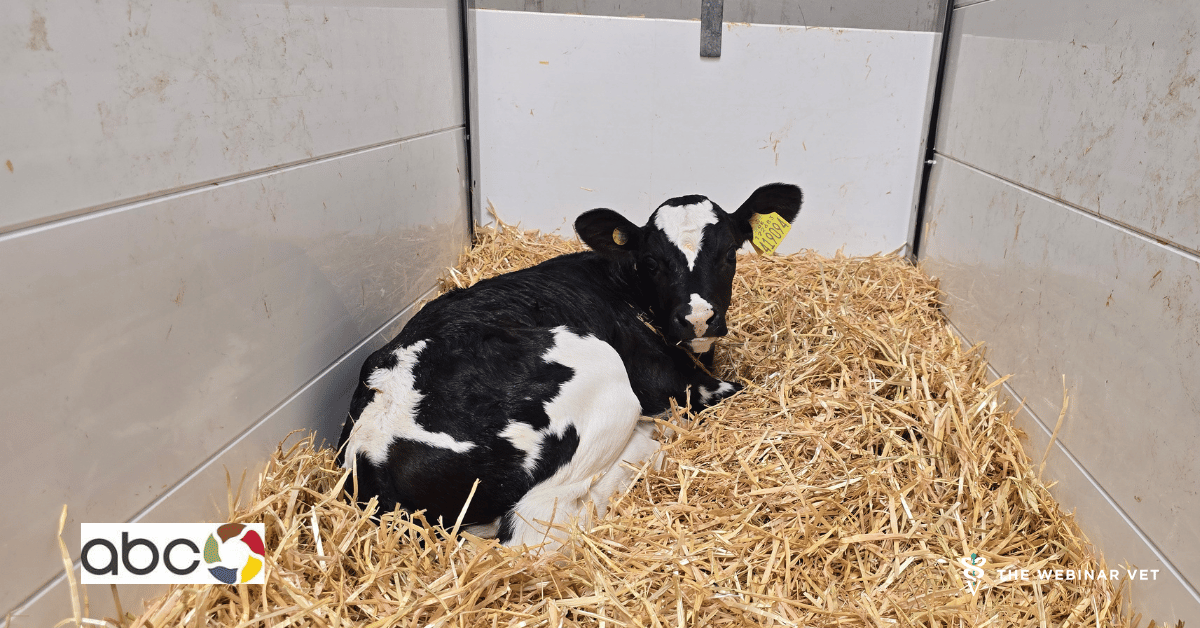
How to break the cycle of bovine respiratory disease
Bovine respiratory disease (BRD) can have a lasting impact on calf health and performance, even when the initial infection goes unnoticed1. Viral and mycoplasma infections can damage the lungs’ natural defence mechanisms, making it harder to clear bacteria and increasing the risk of secondary infections and chronic pneumonia.
For vets, understanding how this process develops is key to improving BRD management, from identifying underlying pathogens and reducing environmental challenges to detecting lung damage before clinical signs appear.
How does pneumonia develop?
The lungs have a natural defence mechanism known as the mucociliary escalator, which moves mucus and trapped pathogens up the airways so they can be swallowed and cleared.
However, viruses and mycoplasmas can damage this system, compromising the lungs’ ability to clear bacteria. Pathogens such as bovine coronavirus and Mycoplasma bovis can contribute to this damage2, allowing secondary bacterial infections to establish and potentially leading to inflammation, lung consolidation and scarring.
Identifying the initial infection can be challenging, as the damage it causes may not become apparent until weeks or months later, when chronic pneumonia develops. Calves may appear to recover from an initial infection but retain lung damage that leaves them more vulnerable to subsequent respiratory challenges.
This can have lasting consequences for health, growth and performance. Repeated antibiotic treatments may not resolve the problem if significant lung damage has already occurred, highlighting the importance of identifying underlying causes and preventing disease wherever possible.
Managing the main risk factors
Effective BRD management requires a combination of reducing pathogen exposure, protecting respiratory defences and identifying disease early.
1. Reduce pathogen exposure
Housing and management play an important role in respiratory health. Poor ventilation, high stocking density, excess humidity and the mixing of different age groups can increase exposure to respiratory pathogens.
Avoiding shared airspace between young calves and older cattle, maintaining good ventilation and reviewing stocking densities can help reduce the infectious challenge. Where M. bovis is a concern, vets should also review milk-feeding practices, including the risk of transmission through contaminated, unpasteurised waste milk, alongside teat hygiene and contact between animals.
2. Protect respiratory defences
Vaccination can form an important part of a herd-specific BRD prevention programme. Depending on the farm’s disease history and risk profile, this may include protection against respiratory syncytial virus (RSV), parainfluenza 3 (PI3), bovine coronavirus and other relevant pathogens.
Identifying the viruses involved can be difficult, particularly when the initial infection occurs weeks or months before chronic pneumonia becomes apparent. Clinical history, laboratory testing and, where appropriate, post-mortem examination can help vets establish which pathogens may be contributing to disease and inform prevention and vaccination strategies.
3. Identify disease before clinical signs develop
Clinical examination alone may not identify every affected calf. Thoracic ultrasound scanning (TUS) provides an additional tool for detecting areas of lung consolidation, including lesions in calves that still appear outwardly healthy.
Routine scanning can help vets and farmers understand when lesions are developing, assess their severity and review treatment protocols. Used alongside clinical assessment and appropriate diagnostic testing, it can support earlier intervention and help identify patterns that may point to underlying management issues.
Although scanning may initially identify more calves requiring assessment and potentially treatment, the longer-term aim is to reduce severe and chronic cases through earlier intervention and better prevention.
Taking a proactive approach
BRD management should extend beyond treating calves once they become visibly ill. By understanding how early viral and mycoplasma infections can compromise respiratory defences, vets can help farmers address the underlying causes of disease rather than repeatedly treating its consequences.
Combining good housing and biosecurity, appropriate vaccination, targeted diagnostics and early detection through tools such as TUS can support more informed treatment decisions, responsible antibiotic use and improved long-term youngstock performance.
Watch the BRD management webinar on demand
BRD remains one of the most significant health challenges affecting youngstock, costing the UK beef and dairy sectors an estimated £80 million annually through lost productivity, treatment costs and mortality¹.
For a deeper look at the latest developments in BRD management, watch the MSD Animal Health-sponsored veterinary webinar on demand.
The session explores emerging evidence on the role bovine coronavirus may play as a gateway pathogen for other respiratory infections, the impact of BRD on calf health and performance, and practical strategies for disease prevention.
It also examines how TUS can help identify subclinical lung lesions, support herd health decision-making and monitor the success of interventions, as well as how vets can incorporate scanning into routine herd health programmes and offer it as a chargeable service to clients.
Watch the webinar now.
References
1. Barrett DC (2000). Cost-effective antimicrobial drug selection for the management and control of respiratory disease in European cattle, Veterinary Record 146(19): 545-550.
2. McDaneld TG, Workman AM, Chitko-McKown CG, Kuehn LA, Dickey A, Bennett GL. Detection of Mycoplasma bovirhinis and bovine coronavirus in an outbreak of bovine respiratory disease in nursing beef calves. Front Microbiomes. 2022 Dec 15;1:1051241. doi: 10.3389/frmbi.2022.1051241. PMID: 41852812; PMCID: PMC12993465.
Further information is available from the SPC, datasheet or package leaflet. MSD Animal Health UK Limited. Registered office Walton Manor, Walton, Milton Keynes MK7 7AJ, UK. Registered in England & Wales no. 946942. Advice should be sought from the medicine prescriber.
Prescription decisions are for the person issuing the prescription alone.
Use Medicines Responsibly.
© 2026 MSD Animal Health UK Limited. All Rights Reserved.
UK-BOV-261000017