
Making Space for What Matters Most: Work-Life Balance & Boundaries in Veterinary Life

Ask most vets or nurses when they last had an evening completely free of work. No messages, no case running through their head, no “I’ll just quickly check”, and you’ll often get a pause before the answer. Veterinary work asks a lot: emotionally demanding cases, long and unpredictable hours, and a culture that can quietly reward always being available. Over time, that adds up.

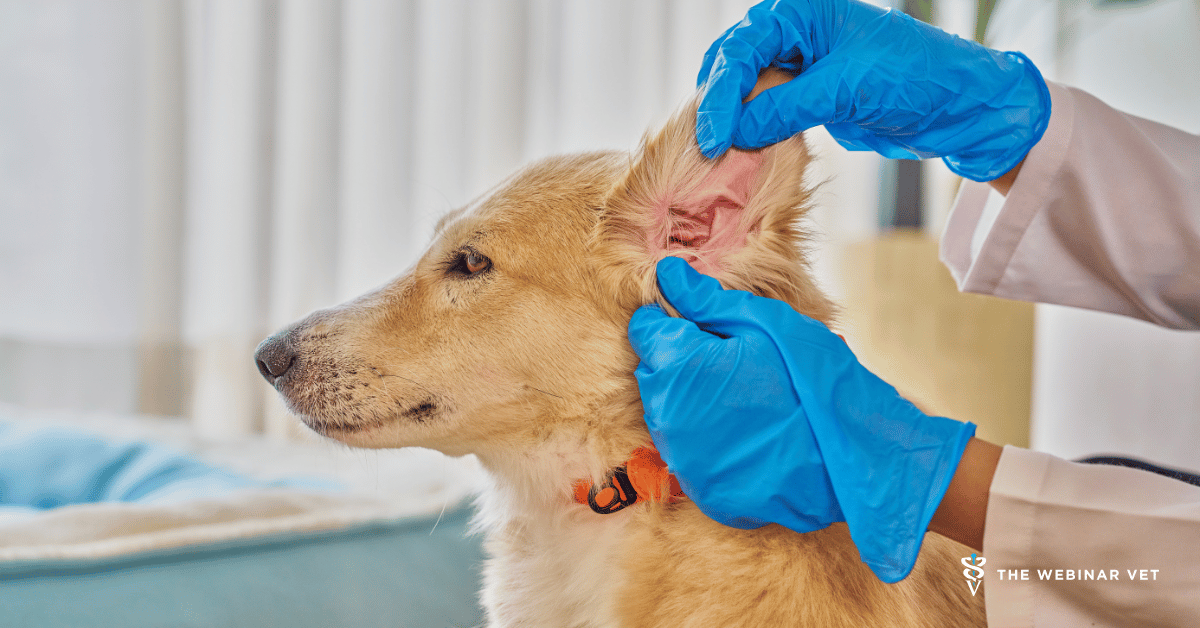
Canine yeast ear infections: Is there a path towards more responsible management?

All ears are not the same, and as such, there is not one single therapeutic option to treat otitis externa (OE) cases. Successful management of OE cases encompasses the diagnosis and management of the primary, underlying cause, the addressing of the acute inflammation, the systematic use of ear cytology to identify microbial overgrowth and judicious use of antimicrobials to successfully address any secondary microbial dysbiosis.

Optimising NSAID use for osteoarthritis with GI monitoring

If you work in vet practice, you will have encountered many cases of osteoarthritis across the duration of your career. In fact, it is estimated that around 30 to 50 per cent of cats and dogs are likely to be affected by the condition during their lifetime.

Chat Chat with us 💬